The Benefits of Professional Bottom Painting

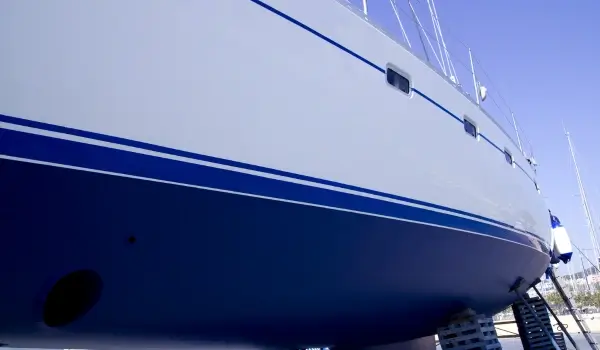
For boat owners, maintenance is a constant part of the maritime life. One of the most critical tasks is applying antifouling paint to the vessel’s hull, a process known as bottom painting. While a do-it-yourself approach may seem cost-effective, entrusting this job to a professional offers a suite of advantages that protect your investment and enhance your boating experience.

Superior Preparation and Surface Treatment

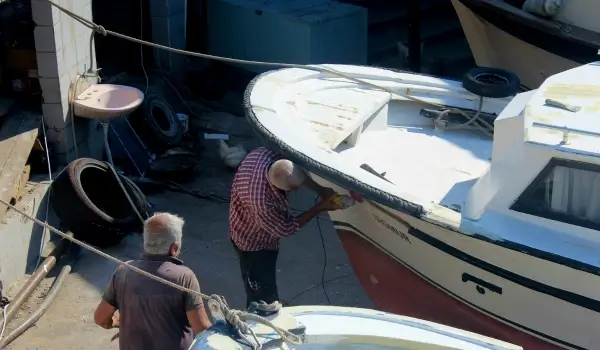
The success of a bottom paint job depends almost entirely on the preparation. Professionals possess the expertise to properly assess and prepare the hull surface. They know how to thoroughly remove old paint, marine growth, and oxidation. They can identify and repair minor gelcoat imperfections, blisters, or other damage that could be hidden beneath layers. This meticulous preparation, using commercial-grade tools and techniques, creates the perfect, clean surface for the new paint to adhere to. This foundational step is often where DIY efforts fall short, leading to premature paint failure.

Access to High Quality Materials

Professional boatyards have direct access to high-grade, commercial-quality antifouling paints that may not be available to the general consumer. More importantly, they have the knowledge to select the exact right type of paint for your specific needs. Factors such as your boat’s material (fiberglass, aluminum, wood), the typical cruising speed, and the local water conditions (salt or fresh, temperature, pollution levels) all dictate the optimal paint formula. A professional ensures the product is perfectly matched to your boat and your sailing environment for maximum effectiveness and longevity.

Expert Application for Lasting Performance

The application itself is a skilled craft. Professionals apply paint in controlled, even coats to the exact mill thickness specified by the manufacturer. They understand how to handle transitions at the waterline, rudders, and through-hull fittings. They also implement critical safety measures, such as proper containment of paint dust and debris, protecting both the environment and other boats in the yard. This level of precise application means the paint performs as intended, providing consistent fouling protection throughout the season and extending the time between haul-outs.

Time Savings and Convenience

Bottom painting is a labor-intensive, messy, and time-consuming project. It involves arranging a haul-out, gathering materials, and dedicating an entire weekend, or more, to physically demanding work. By hiring a professional, you reclaim this valuable personal time. The job is completed efficiently by an experienced crew, often faster than you could do it yourself. You can simply schedule the service and have confidence that it will be done correctly and ready for launch when you are.

Long Term Cost Effectiveness

While there is an upfront cost, professional bottom painting is an investment that saves money over time. A properly applied, high-quality paint job lasts longer, meaning you can go more seasons between repaints. It provides superior protection against destructive marine growth, which can dramatically increase drag and fuel consumption. It also safeguards the hull from wear, osmosis, and damage that can lead to very expensive repairs. In essence, you are paying for expertise that extends the life of your paint, your hull, and your engine’s efficiency.

Choosing professional bottom painting is not just about applying paint. It is about ensuring a foundation of proper preparation, using superior materials, and leveraging skilled workmanship. The result is a smoother, faster, more fuel-efficient boat, with reduced maintenance worries and more time for you to enjoy the water.…

How to Identify and Repair Minor Gelcoat Damage

That small chip or scratch on your boat’s hull might seem like a minor eyesore, but ignoring it can lead to bigger problems. Gelcoat is more than just a colorful finish; it’s a protective barrier for the fiberglass underneath. Water penetrating through cracks can cause delamination and costly repairs down the line. The good news is that with the right materials and a little patience, you can tackle minor gelcoat repairs yourself and restore a smooth, waterproof finish.

Identifying Types of Minor Damage

First, assess the damage to determine the best repair approach. There are three common types of minor surface damage.

Surface Scratches: These are shallow marks that do not penetrate through the colored gelcoat layer. You can often feel them with a fingernail, but they do not expose the underlying fiberglass mat.

Chips and Gouges: These are deeper pits where the gelcoat has been removed, exposing the lighter-colored fiberglass substrate. They are typically smaller than a quarter in diameter.

Hairline Cracks: These are thin, spider-web-like cracks, often called crazing. They can occur from impact or stress and, while fine, can still allow moisture to seep in if they penetrate deeply.

Gathering Your Repair Materials

For a professional-looking repair, you will need a few specialized materials. These are readily available at marine supply stores. You will need gelcoat repair paste or liquid gelcoat matched to your boat’s color code, waxed mixing cups and stir sticks, fine-grit sandpaper (starting at 220 and going up to 800 grit), a flexible plastic spreader or putty knife, masking tape, and rubbing compound with a polish.

Step by Step Repair Process

Follow this methodical process for a clean, lasting repair.

Step 1: Prepare the Area. Clean the damaged spot and the surrounding area with acetone to remove all wax, dirt, and grease. Tape off the area around the damage with masking tape to protect the undamaged gelcoat.

Step 2: Sand and Bevel. For chips and gouges, use 220-grit sandpaper to gently bevel the edges of the damage. This creates a slight funnel shape for the new gelcoat to adhere to. For scratches, sand lightly to create a smooth, rough surface.

Step 3: Mix and Apply. Follow the manufacturer’s instructions to mix your gelcoat paste with its hardener. Using your spreader, press the mixture firmly into the prepared area, slightly overfilling it to account for shrinkage as it cures.

Step 4: Cure and Sand. Allow the repair to cure completely, which can take several hours. Once hard, begin sanding it flush with the surrounding area. Start with 400-grit sandpaper, then move to 600-grit, and finally 800-grit, always using plenty of water to wet sand.

Step 5: Polish to a Shine. After wet sanding, use a rubbing compound to remove the final sanding haze and blend the repair. Finish with a quality marine polish and wax to restore the deep gloss and protect your work.

By addressing minor gelcoat damage promptly, you preserve both the beauty and the structural integrity of your boat. This simple DIY skill saves money and keeps your vessel looking its best for seasons to come.…

The Most Important Fluids to Check on Your Boat

Keeping your boat running smoothly starts with something simple but essential: fluid maintenance. Just like cars, boats rely on several key fluids to keep engines, steering systems, and mechanical components performing safely and efficiently. Regularly checking these fluids not only prevents costly repairs but also ensures your time on the water remains stress-free. Here are the most important fluids every boat owner should monitor.

Engine Oil: The Heart of Your Boat’s Performance

Engine oil is at the top of any boat maintenance checklist because it keeps your engine lubricated and running smoothly. Without proper oil levels, friction builds up, leading to overheating or serious engine damage. Check your oil before every outing and follow your manufacturer’s recommended oil change schedule. Clean, fresh oil helps maintain engine power, reduces wear, and extends the life of your boat’s most valuable component.

Coolant: Preventing Overheating on the Water

Coolant plays a vital role in regulating engine temperature. Boats work hard, especially during long summer trips or when navigating rough waters. Low or old coolant can quickly lead to overheating, one of the most common causes of breakdowns. Be sure your coolant reservoir is filled with the proper mixture and inspect hoses for leaks. A well-maintained cooling system keeps your boat performing safely even on the hottest days.

Transmission or Gear Oil: Smooth and Reliable Shifting

Whether you have an inboard or outboard engine, gear oil ensures your boat shifts smoothly and runs with minimal friction. This fluid protects transmission components and keeps your propeller turning effectively. Check gear oil regularly for clarity—milky or dark oil indicates water intrusion or wear, both reasons to schedule service. Keeping your gear oil clean prevents costly transmission repairs.

Power Steering Fluid: Essential for Easy Maneuvering

If your boat has hydraulic steering, maintaining proper power steering fluid is key to safe navigation. Low fluid can make steering stiff or unresponsive, making your boat harder to control. Inspect the fluid level and look for any signs of leaks around the steering system. Smooth steering makes docking, turning, and cruising much more enjoyable.

Keeping Fluids in Check for a Trouble-Free Season

Monitoring your boat’s essential fluids takes only a few minutes but prevents hours of frustration and unexpected repair costs. By staying consistent with fluid checks and replacing them as needed, you protect your investment and ensure every trip on the water is safe and enjoyable. A little maintenance now means many more carefree adventures ahead.…

How to Keep Your Boat in Top Shape During Peak Season

Peak boating season is all about sunshine, open water, and unforgettable days on the waves. But with more time spent cruising, towing, and docking, your boat also needs extra attention to stay in its best condition. A little proactive care can go a long way toward preventing breakdowns, protecting your investment, and ensuring every outing is smooth and safe. Here’s how to keep your boat in top shape when the season is at its busiest.

Stay on Top of Engine and Fluid Checks

Your engine works harder during peak season, so regular checks are essential. Inspect oil levels, coolant, and fuel filters before each trip. If you notice unusual noises, sputtering, or slow starts, address them immediately to avoid bigger issues out on the water. It’s also smart to keep spare fluids on board, especially if you’re heading out for long days. Proper maintenance not only improves performance but also extends the life of your engine.

Clean and Protect Your Hull Regularly

A clean hull is a more efficient hull. Marine growth, grime, and debris can slow your boat down and strain the engine. Rinse the exterior after every trip and give it a deeper cleaning every few weeks. If you’re in saltwater, washing and applying a protective wax can prevent corrosion. For boats kept in the water full-time, consider scheduling a mid-season bottom cleaning to keep things running smoothly.

Inspect Safety Gear and Electrical Systems

Peak season means more passengers and more time on the water—making safety checks more important than ever. Test navigation lights, bilge pumps, battery connections, and any onboard electronics. Make sure life jackets are accessible and in good condition, and verify that your fire extinguisher and first-aid kit are stocked and up-to-date. Simple safety steps ensure peace of mind for everyone on board.

Keep the Interior Fresh and Functional

Between wet swimsuits, food, and frequent use, your boat’s interior can take a beating during busy months. Wipe down surfaces after each trip, store gear properly, and ventilate the cabin to prevent mildew. Upholstery cleaners and mold-resistant sprays can help freshen up cushions and keep materials looking like new. Treating interior surfaces well now prevents costly replacements later.

Don’t Skip Scheduled Inspections

Even if your boat seems to be running perfectly, professional mid-season checkups catch small problems before they turn into major repairs. Mechanics can check alignment, prop condition, belts, hoses, and steering systems—all crucial for safe boating. Think of these inspections as insurance for your season.


Keeping your boat in top shape during peak season doesn’t have to be complicated. With consistent care, routine checks, and a focus on prevention, you can enjoy every sunny day on the water without unexpected setbacks. Happy boating!…